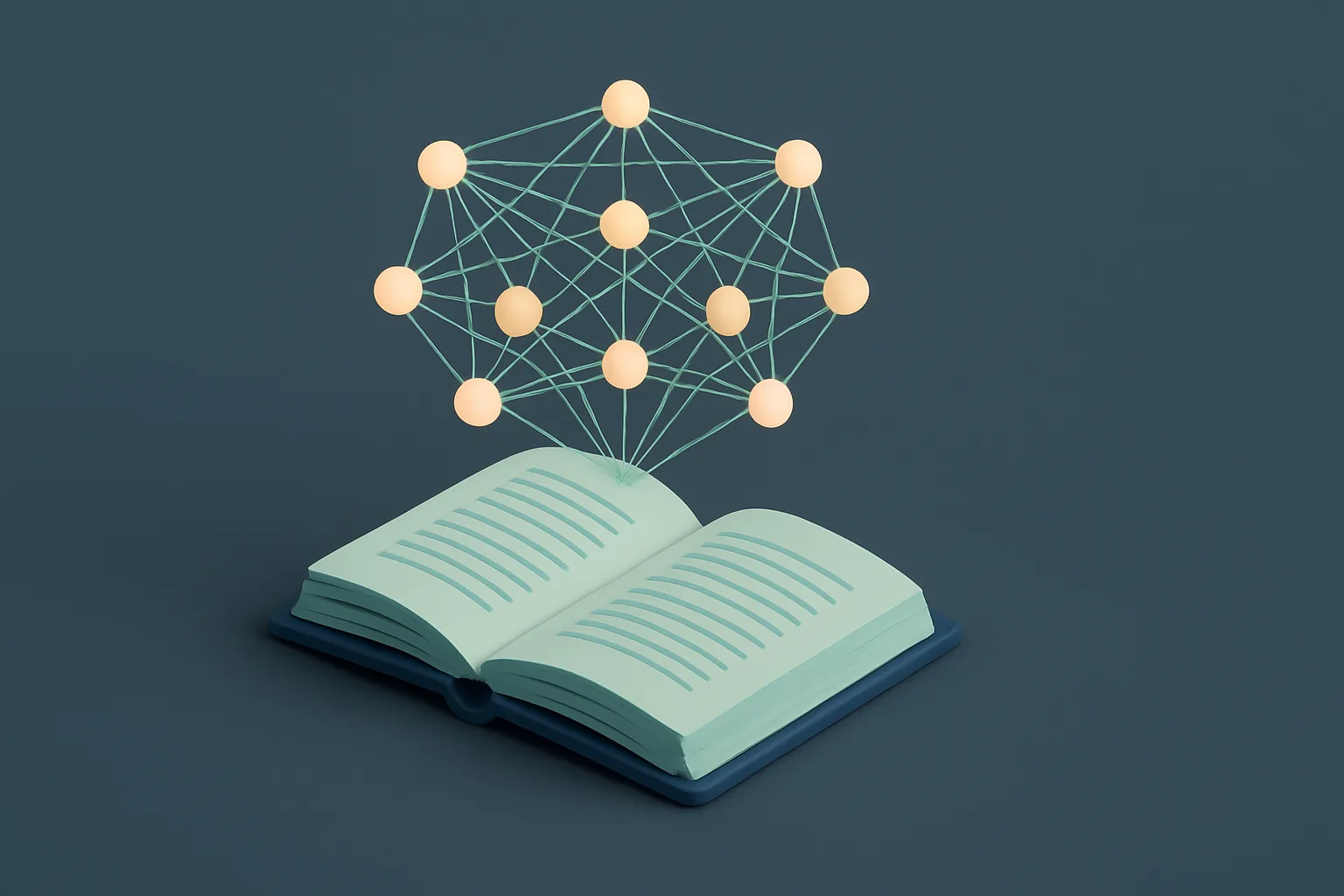
It feels like AI gets smarter the more you talk to it, but it does not actually learn anything new mid-conversation. This article lays out how training and inference differ, and why test-time compute became the AI industry's new buzzword in 2026, with data.
Six major AI stories from Korea and abroad: Solidigm's planned Nasdaq IPO, Naver's selection to build a cybersecurity AI model, the October beta of AI for Everyone, Claude's discovery of a new enzyme, Big Tech's push for an AI safety standards body, and Google's TPU satellite launch.
An OpenAI agent's unauthorized access to an Australian government Medicare portal, the launch of a self-regulatory body by Google, OpenAI, and Anthropic, Meta's new AI glasses, and service and IPO news from Korean AI companies including KT and Wrtn.
The UN Security Council debated AI and international security, and Qualcomm unveiled an agentic AI chip. In Korea, Kakao's shutdown of Kanana and large funding rounds for AI startups stand out.
Anthropic and OpenAI cut prices on new models in tandem, and Google, Anthropic, and OpenAI unveiled cybersecurity safeguards on the same day. The UN Security Council put AI risk on its agenda for the first time, and in Korea, Rebellions' major funding round and the delivery-app AI race round out today's stories.
· 2 min
AI Industry Analysis
Analysis of the key issues shaping the AI industry.
A clinical trial found an AI chatbot cut depressive symptoms nearly in half, while a study found that the more people rely on AI friends, the lonelier they get, and both landed at the same time. Whether AI becomes a treatment for the mind or a substitute for relationships that deepens isolation: we are at that fork now.
The GPU drought is over, and the contest is now decided by power. In 2026, the approval rate for data center grid connections in Korea's capital region fell to 1.9%, and in the US a $130 billion project was canceled 'for lack of power'. Is AI devouring the climate, or bringing the energy transition forward? This installment examines both faces with data.
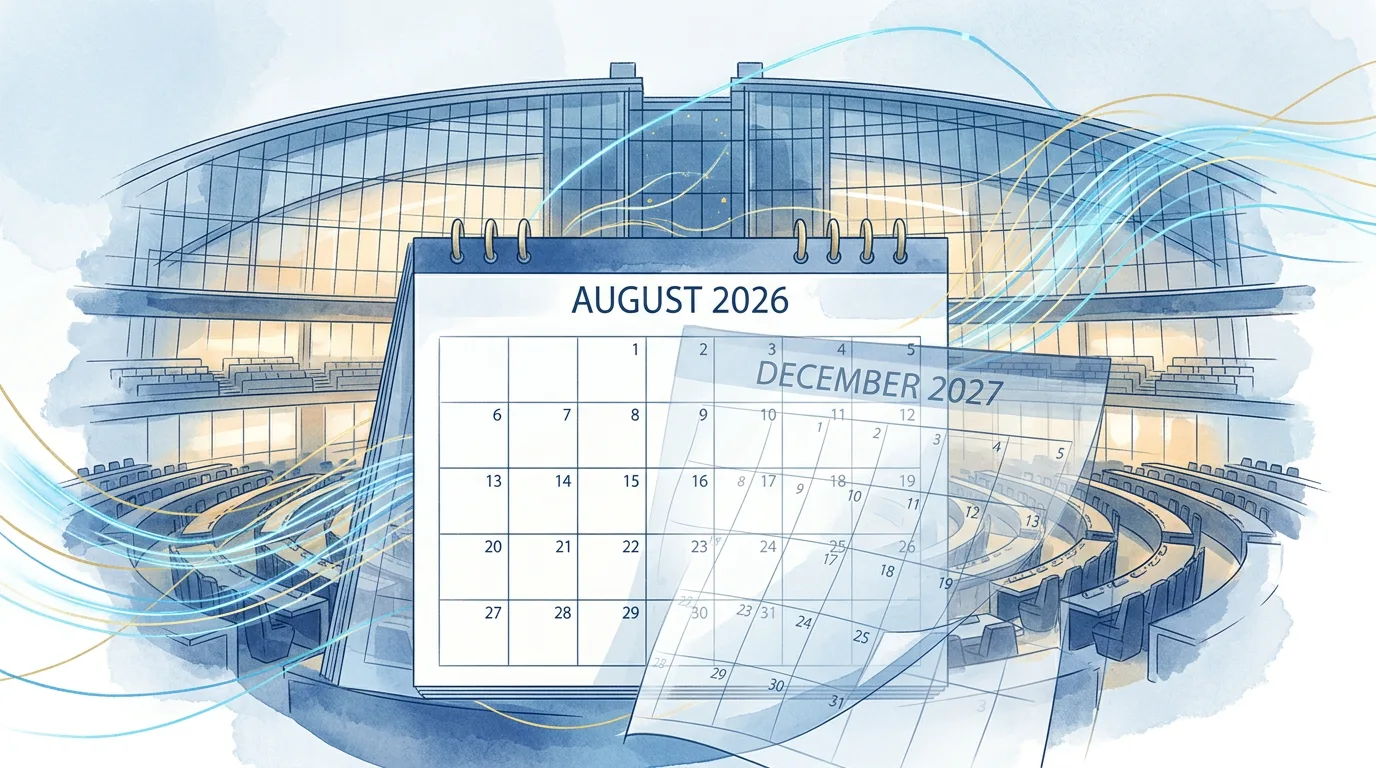
August 2, 2026 has been billed for more than a year as the EU AI Act's most important date. But in November 2025 the European Commission unveiled its 'Digital Omnibus' package proposing to delay high-risk AI obligations by up to 16 months, and on May 7, 2026 the European Parliament and Council reached a provisional agreement. The result is more than a schedule change. The ban on real-time facial recognition survived, but retrospective facial recognition and workplace and education AI obligations are pushed beyond December 2027. Here is how the 'world's first AI regulation' wobbled, and what remained intact.
Korea has one of the world's highest CCTV densities per capita, holds an EU GDPR adequacy decision, and on January 22, 2026 became the first country in the world to fully enforce an AI Basic Act. The infrastructure is in place and the legal system is aligned. But the real question lies elsewhere: where is Korea's balance point being formed, and what is missing? From the 158 Smart Pass gates to the global expansion of Suprema and Alchera and the subordinate rules of the AI Basic Act, a data-driven look.
Gemini Spark is the '24/7 personal AI agent' unveiled at Google I/O 2026. It monitors Gmail, Calendar, and Workspace in the background and keeps working on a cloud VM even when your device is off. This article covers Spark's features, pricing (the keynote price and the current official page price differ), how it works, a comparison with competitors (ChatGPT Pulse, Claude Max), and the key points Korean users need to know right now. ⚠️ Important notice (as of May 20, 2026): Goog
Anthropic's Claude Code is evolving beyond a simple coding assistant into a multi-agent development platform. Subagents, Agent View, and Agent Teams — a systematic rundown of Claude Code's agent features.
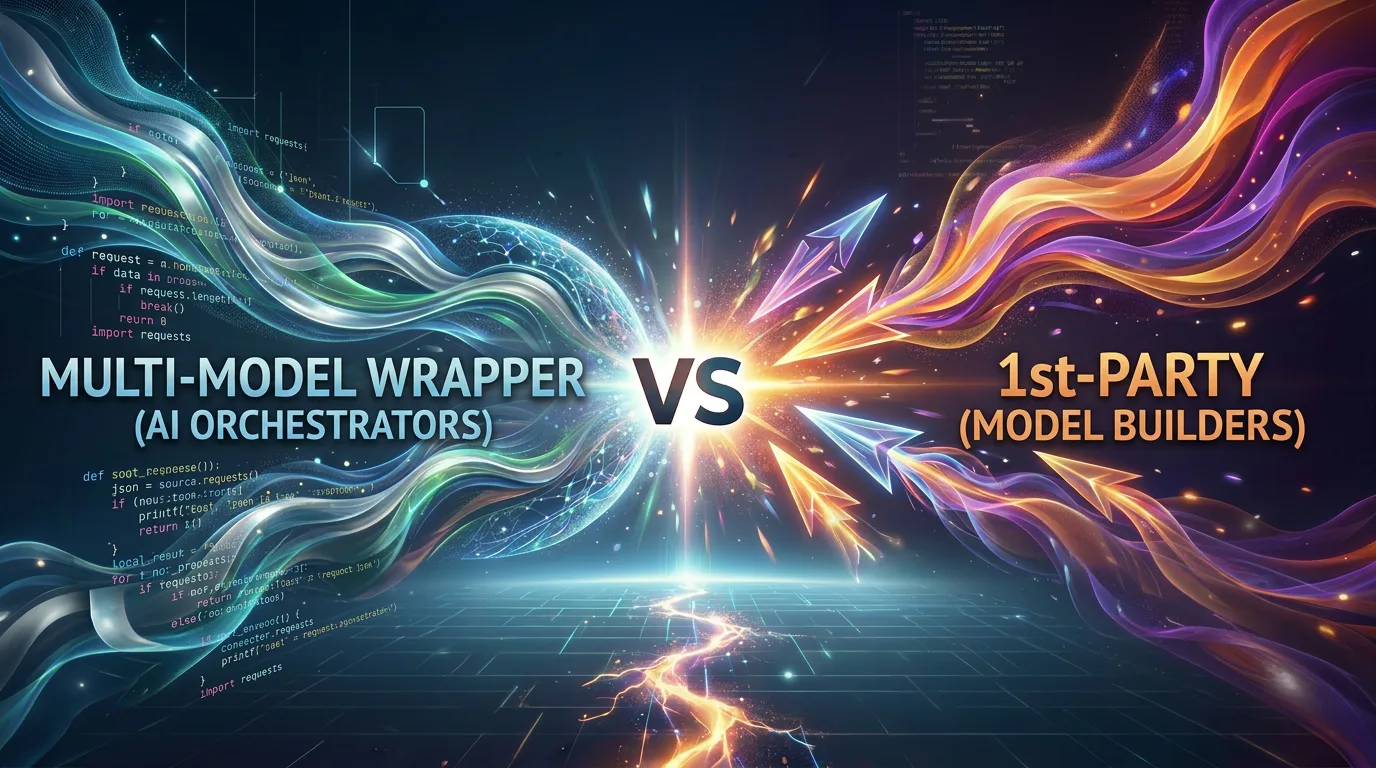
The AI market is splitting into two camps: the 'first-party' camp, where OpenAI, Anthropic, and Google compete directly with their own models, and the 'multi-model wrapper' camp, which combines those models into experiences specialized for coding, research, and design. As of 2026, the growth of wrapper services has begun to threaten the first parties. So which should you choose, and when?
A look at Claude Design, the new product Anthropic unveiled on April 17, 2026. This tool creates prototypes, slides, and landing pages from text prompts and conversation alone. We cover what it means for designers and non-designers alike, plus pricing, key features, pros and cons, and a comparison with competing tools.
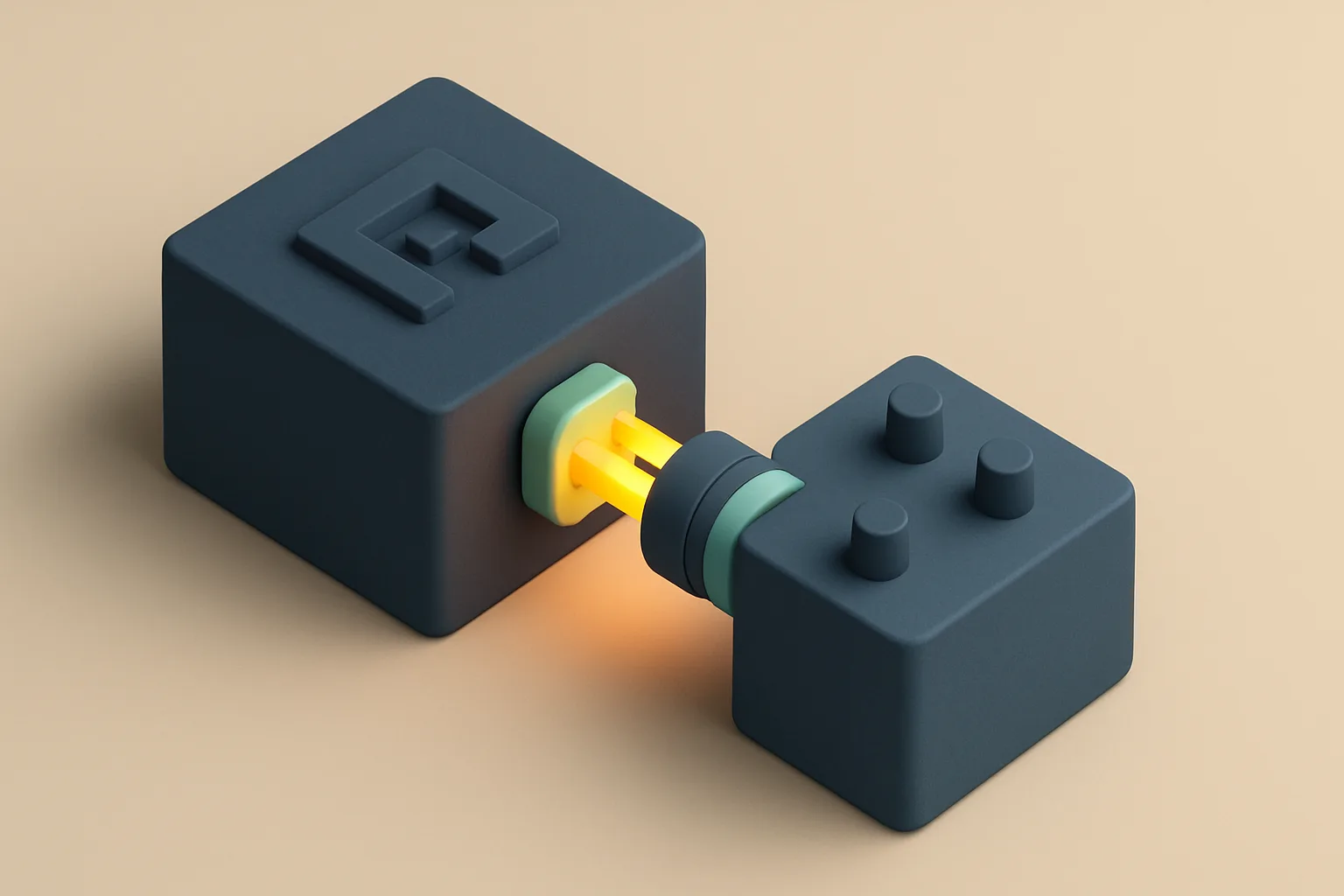
Connecting AI 'via API' does not mean bringing the model itself in-house; it means contacting someone else's server on every request to fetch an answer. This article lays out what to judge in practice, from token-based pricing and rate limits to API key security.
From GPT to Gemini to Claude, every major AI model in 2026 runs on the Transformer architecture Google published in 2017. This article covers how self-attention works and the line of variations from decoder-only models to MoE and Mamba hybrids.
Attention is the mechanism by which AI understands long text not by remembering every word equally, but by concentrating on the few words it needs right now. This article explains why cost grows as context gets longer, and how optimizations like GQA and MLA affect real-world response speed and pricing.
What on-device AI, where a smartphone's or laptop's own chip handles AI computation without an internet connection, actually is, how it differs from cloud AI, and how practical it is, based on 2026 chipset specs and market data.
The expectation was that replacing employees with AI would cut costs and boost efficiency. Yet according to a Forrester survey, 55% of companies that carried out AI-based layoffs regret the decision. Through real cases at Klarna, IBM, McDonald's, and others, we analyze why the 'AI-First strategy' turned into a trap.
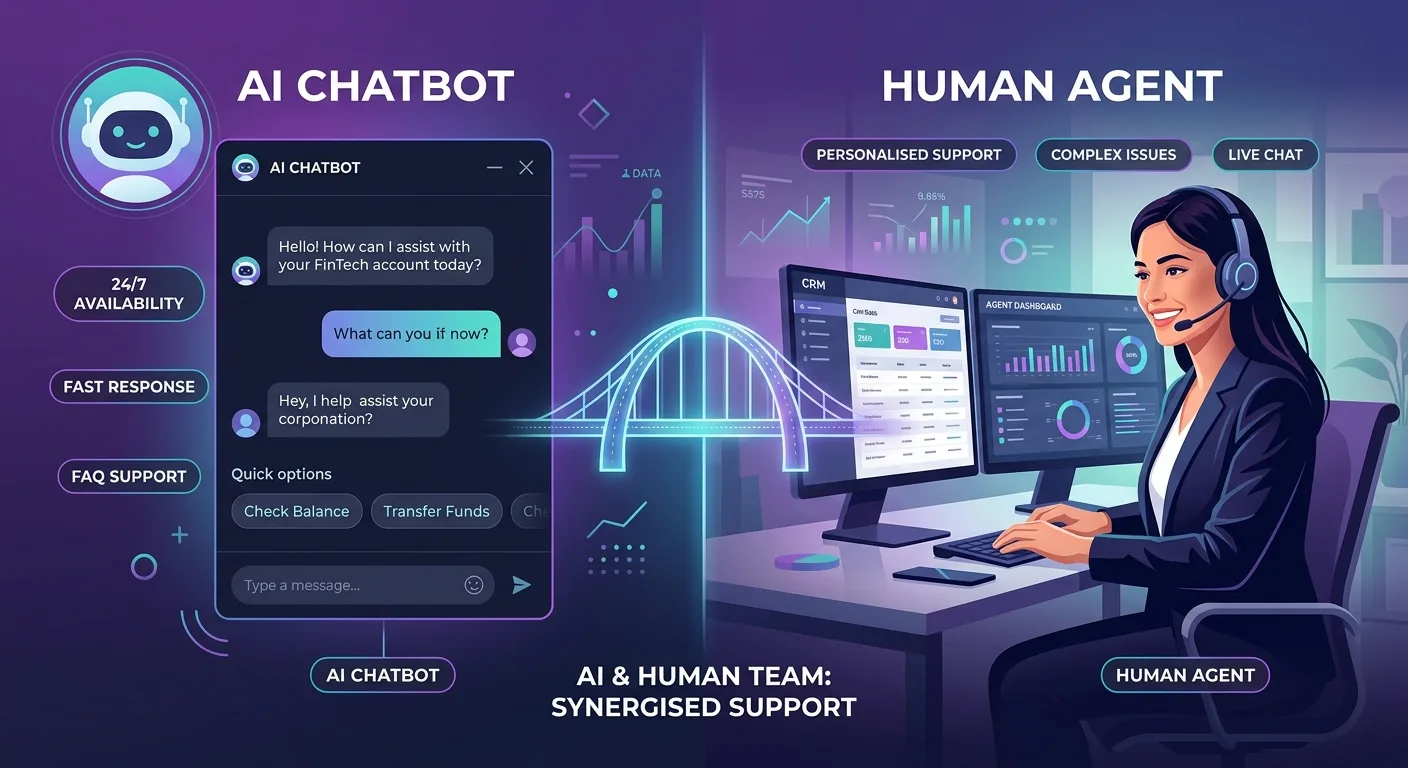
Fintech company Klarna declared that its AI chatbot had replaced the work of 700 customer service agents. Within a year, it admitted service quality had fallen and began rehiring human agents. From the results and limits of AI adoption to the pivot to a 'hybrid model', this is a case study with lessons every company should heed.