Tech AI News - 테카이

AI Industry Analysis

Analysis of the key issues shaping the AI industry.

14 posts

AI and the future of human relationships and mental health

A clinical trial found an AI chatbot cut depressive symptoms nearly in half, while a study found that the more people rely on AI friends, the lonelier they get, and both landed at the same time. Whether AI becomes a treatment for the mind or a substitute for relationships that deepens isolation: we are at that fork now.

AI Industry Analysis· 7 min

The AI data center power problem — 'electricity hog' or engine of the green transition? (2026 Utopia vs. Dystopia ⑥)

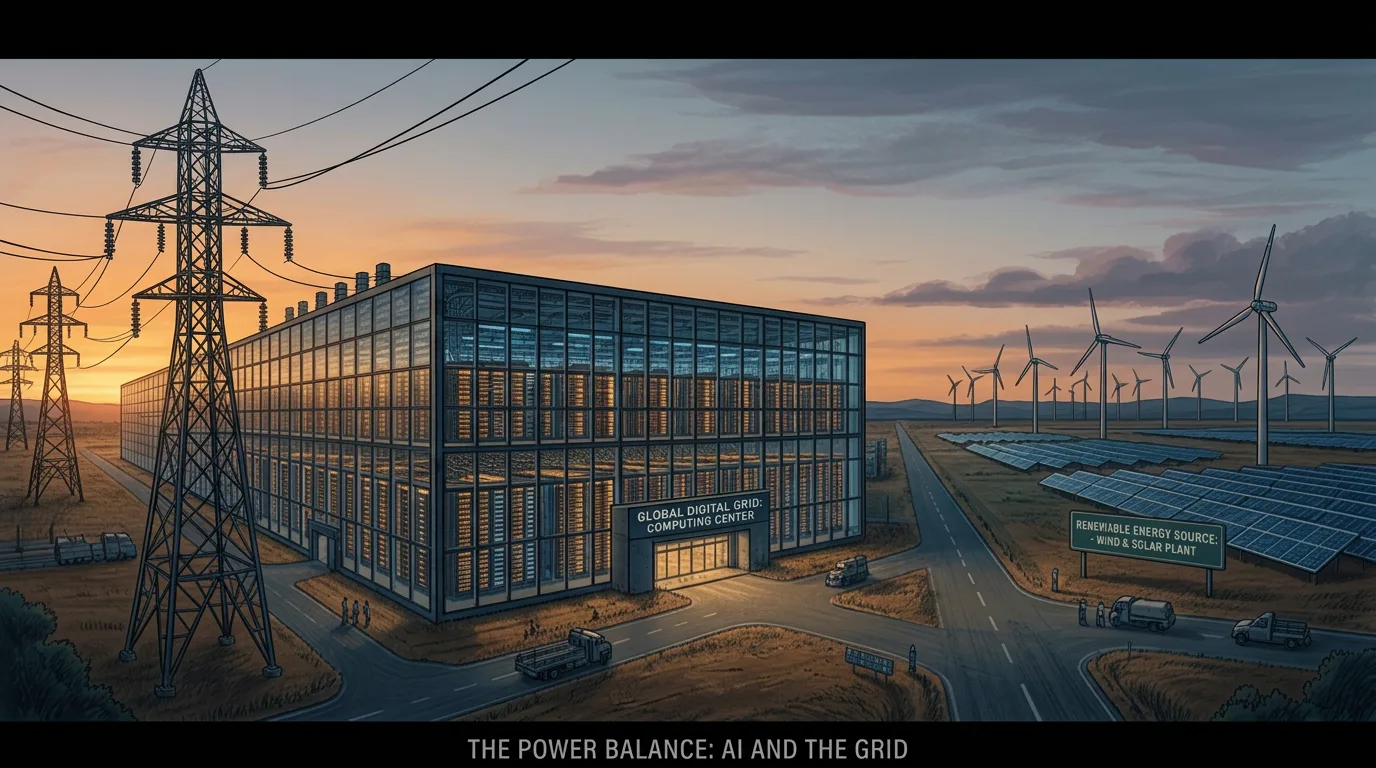
The GPU drought is over, and the contest is now decided by power. In 2026, the approval rate for data center grid connections in Korea's capital region fell to 1.9%, and in the US a $130 billion project was canceled 'for lack of power'. Is AI devouring the climate, or bringing the energy transition forward? This installment examines both faces with data.

AI Industry Analysis· 8 min

The EU AI Act in August 2026, what really changes — the real-time/retrospective facial recognition boundary and the shock of the 'Digital Omnibus'

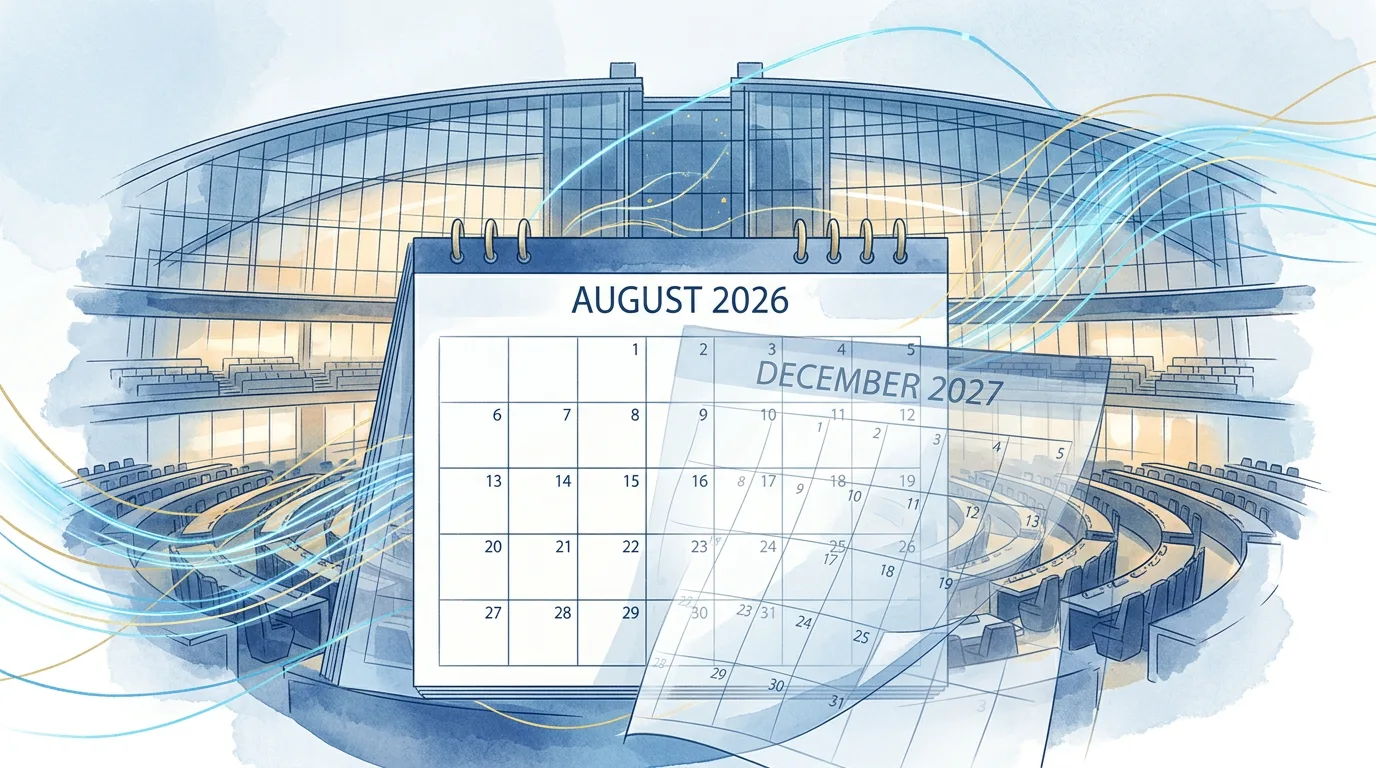
August 2, 2026 has been billed for more than a year as the EU AI Act's most important date. But in November 2025 the European Commission unveiled its 'Digital Omnibus' package proposing to delay high-risk AI obligations by up to 16 months, and on May 7, 2026 the European Parliament and Council reached a provisional agreement. The result is more than a schedule change. The ban on real-time facial recognition survived, but retrospective facial recognition and workplace and education AI obligations are pushed beyond December 2027. Here is how the 'world's first AI regulation' wobbled, and what remained intact.

AI Industry Analysis· 15 min

Korea's digital trust society 2026 — from Incheon Airport's Smart Pass to the AI Basic Act

Korea has one of the world's highest CCTV densities per capita, holds an EU GDPR adequacy decision, and on January 22, 2026 became the first country in the world to fully enforce an AI Basic Act. The infrastructure is in place and the legal system is aligned. But the real question lies elsewhere: where is Korea's balance point being formed, and what is missing? From the 158 Smart Pass gates to the global expansion of Suprema and Alchera and the subordinate rules of the AI Basic Act, a data-driven look.

AI Industry Analysis· 13 min

China's social credit system 2026 — why the real threat is 'integrated data infrastructure', not a single score

The 'Orwellian single citizen score' that Western media have depicted is far from what China's social credit system actually looks like. But that does not mean the danger is exaggerated. The real threat lies elsewhere: inter-ministry data is being integrated, precision targeting infrastructure such as Uyghur tracking is in operation, and the model itself is being exported to some 60 countries along the Digital Silk Road. A data-centered look at the changes the new 2025–2026 guidelines have brought.

AI Industry Analysis· 13 min

Surveillance society 2026 — utopia or dystopia, which are we closer to?

The future shaped by AI and facial recognition forks in two directions. On one side is a utopia that protects privacy while maximizing social benefit; on the other, a dystopia in which everyday life is reduced wholesale to data. Looking evenly at the three axes of technology, regulation, and national models as of 2026, the conclusion is clear: neither is inevitable, and everything depends on how governance is designed.

AI Industry Analysis· 12 min

Google I/O 2026 recap — the Gemini 3.5 era and Google's 'agent full-stack' blueprint

Google I/O 2026, held on May 19 (local time) at the Shoreline Amphitheatre in Mountain View, came down to one message: 'from assistant to agent'. From Gemini 3.5 Flash, Spark, and Antigravity 2.0 to Android XR glasses and the overhaul of Search, here is a one-stop summary of the message Google delivered as a full-stack AI company.

AI Industry Analysis· 8 min

The age of AI warfare: is a world where machines decide life and death a utopia? — the reality of a battlefield where drones became artillery

In March 2026, 96% of battlefield casualties in Ukraine were caused by drones. In April, for the first time in history, an enemy position was captured by unmanned platforms alone. The way war is fought is changing, but the suffering war brings is not. When the enemy comes with drones, will we fight with hand grenades? Thoughts from a citizen of a divided nation.

AI Industry Analysis· 13 min

The real front line of the 2026 AI industry isn't models — the rise of the 'token economy' and a three-axis strategy for Korean companies

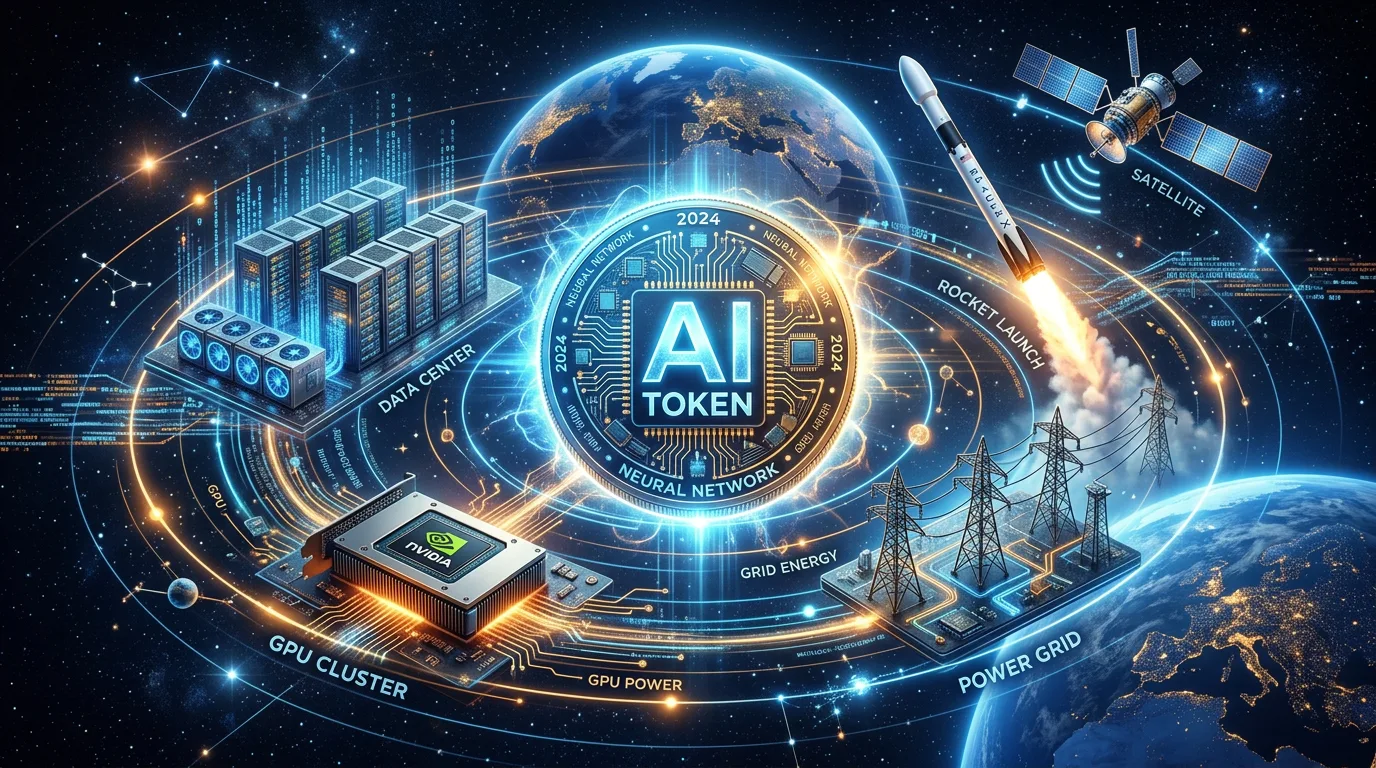
In 2026, the AI industry is no longer decided by 'which model is smarter'. The Anthropic–SpaceX compute deal, the Pentagon's selection of eight AI vendors, and Goldman Sachs' $7.6 trillion forecast all point one way: the true opening of an 'AI compute economy' in which tokens are the new currency. Korean companies must immediately realign around a three-axis strategy that binds 'token cost, power and chip supply, and use policy', beyond comparing model performance.

AI Industry Analysis· 11 min

What should education teach in the AI era? — the 1.4 trillion won lesson and the conditions for a new Renaissance

While AI tutors raise learning outcomes by 23%, 70% of students feel their own thinking is getting weaker. Korea was the first in the world to pour 1.4 trillion won into AI digital textbooks, only to see the effort collapse within four months. The problem was not the technology. The problem was bringing in the tools before answering the question 'what should we teach?'

AI Industry Analysis· 11 min