Common patterns among companies that rehire after AI layoffs
Contents
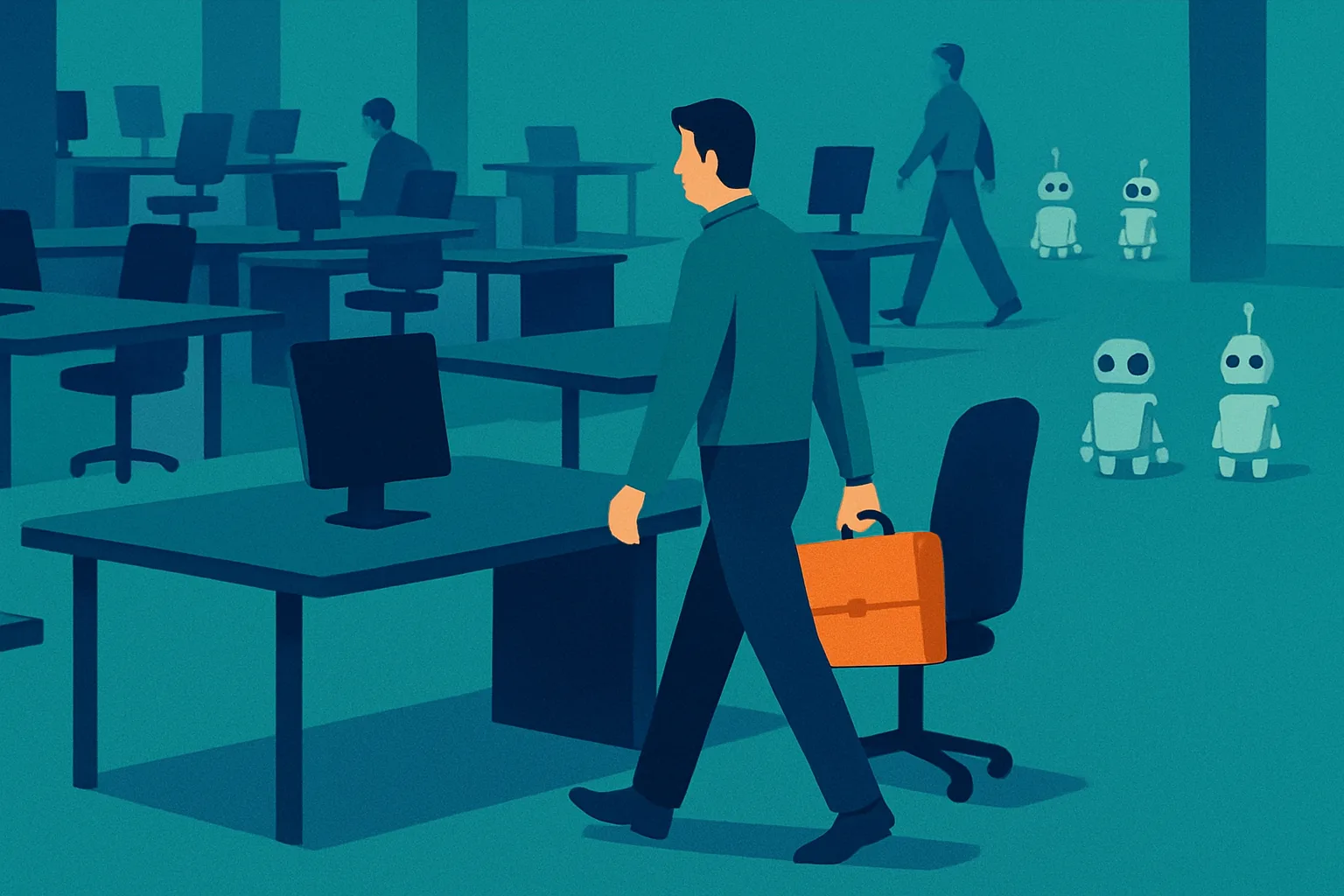
Companies that cut headcount with AI are repeatedly putting people back into the same work a few months later. The common thread isn’t AI performance, but the sequence: cutting people first without redesigning the work.
At a glance
| Company/institution | Industry | Work reduced | Reason for reversal |
|---|---|---|---|
| Klarna | Fintech | Replaced the equivalent of 700 customer support agents with a chatbot | Customer satisfaction fell; CEO acknowledged quality degradation and reinvested in human support |
| IBM | Tech | About 8,000 roles in HR operations | AskHR handled 94% of repeatable tasks, but a 6% gap emerged on issues involving emotion and ethics |
| Commonwealth Bank (Australia) | Finance | Replaced 45 contact center agents with a voice bot | Calls increased as the bot failed on certain inquiries; staff brought back within months |
| Ford | Manufacturing | Expanded test/quality verification automation | Rehired 350 skilled engineers to catch defects automation missed |
Background — why this pattern keeps repeating
When Klarna announced in 2023 that it had replaced the equivalent of 700 customer service roles with a chatbot, it became a poster child for the “AI replaces workers” narrative. But roughly two years later, Klarna CEO Sebastian Siemiatkowski said, “When cost becomes too dominant a metric, quality drops,” and announced reinvestment in human agents (reported by Entrepreneur and Forbes). CNBC reported that by mid-2026, multiple companies beyond Klarna were following the same pattern. In February 2026, outplacement firm Careerminds surveyed 600 HR leaders: among companies that cut staff with AI, 66% were already rehiring, and over 33% had restored at least half of the eliminated roles. Forrester and Orgvue (2026 Predictions report) similarly found that 55% regretted the decision. These figures illustrate the scale of the phenomenon, not its conclusion. The key question is why it repeats.
Shared structures revealed in the rehiring pattern
1) The reverted work mostly involved “judgment and context”
IBM’s AskHR reportedly handled about 94% of repetitive HR admin (per IBM’s own figures), but the remaining 6% involved sensitive workplace conflicts or issues requiring ethical judgment. IBM rehired some staff to cover this gap. Commonwealth Bank’s voice bot handled structured inquiries, but calls spiked when exceptions blocked resolution, prompting a reversal. A common thread is treating whole jobs as a single automation target without separating “structured/repetitive” from “exception cases requiring judgment and context,” and underestimating the share of exceptions.
2) Headcount was cut while the work design stayed the same
Ford’s case differs slightly. As it expanded automation in quality verification, it actually increased the number of skilled engineers (about 350 over several years) to address defects automation couldn’t catch. Automation didn’t only reduce people; it created new roles to cover what automation missed. By contrast, the companies that ended up rehiring tended to cut overall headcount first and assume AI would fill the gaps, rather than decomposing work and reallocating tasks between AI and humans.
3) Cost math stopped at “salary savings”
According to Orgvue, for every $1 saved through AI layoffs, companies often spent about $1.27 on severance, productivity loss, and rehiring combined. In the Careerminds February 2026 survey, 30.9% said rehiring costs exceeded the savings, and 42.4% said they effectively broke even, leaving little to no net gain. Only about 25% of companies appear to have realized a true net benefit. Across cases, the simplistic equation “automation = immediate cost savings” tends to omit hidden costs that surface during rehiring.
Limitations and open questions
Rehiring doesn’t mean every AI-related restructuring failed. IBM CEO Arvind Krishna noted that overall employment actually grew because AI-created capacity was reinvested elsewhere—suggesting redeployment rather than returning to the same roles. Also, many reports on rehiring rely on point-in-time surveys and media interviews. Companies rarely issue formal statements that “AI failed,” and often don’t disclose precise timing or scale of reversals, limiting apples-to-apples comparisons.
Applying this to your organization
- Enterprise: Before announcing automation targets, measure the “exception rate” first. Even if repetitive work looks dominant, once exceptions reach 15–20%, you must design staffing to handle that slice.
- SMB: Rather than cutting headcount, rebalance existing roles—shift repetitive tasks to AI while keeping or increasing the share of judgment-heavy work for people. This reduces both rehiring risk and severance costs.
- Startup: There’s strong temptation to market “AI replaced X,” but as with Klarna, publicized quality drops can cost more in remediation and trust recovery. Validate exception handling before going public.
References
Contents
Related posts
Why AI pilots stall before enterprise scale — five recurring traps
88% of companies use AI, but only ~6% report enterprise-wide financial impact. McKinsey, MIT, and Gartner flag five traps blocking pilots: data quality, process misfit, lagging governance, legacy integration, and change management.
Why do AI pilots stall before enterprise-wide scaling — five recurring pitfalls
88% of firms use AI, but only about 6% report enterprise-wide financial impact. McKinsey, MIT, and Gartner cite five traps: data quality, process misfit, lagging governance, legacy integration, and change management.
55% of companies that carried out AI-based layoffs regret it — the trap of the AI-First strategy
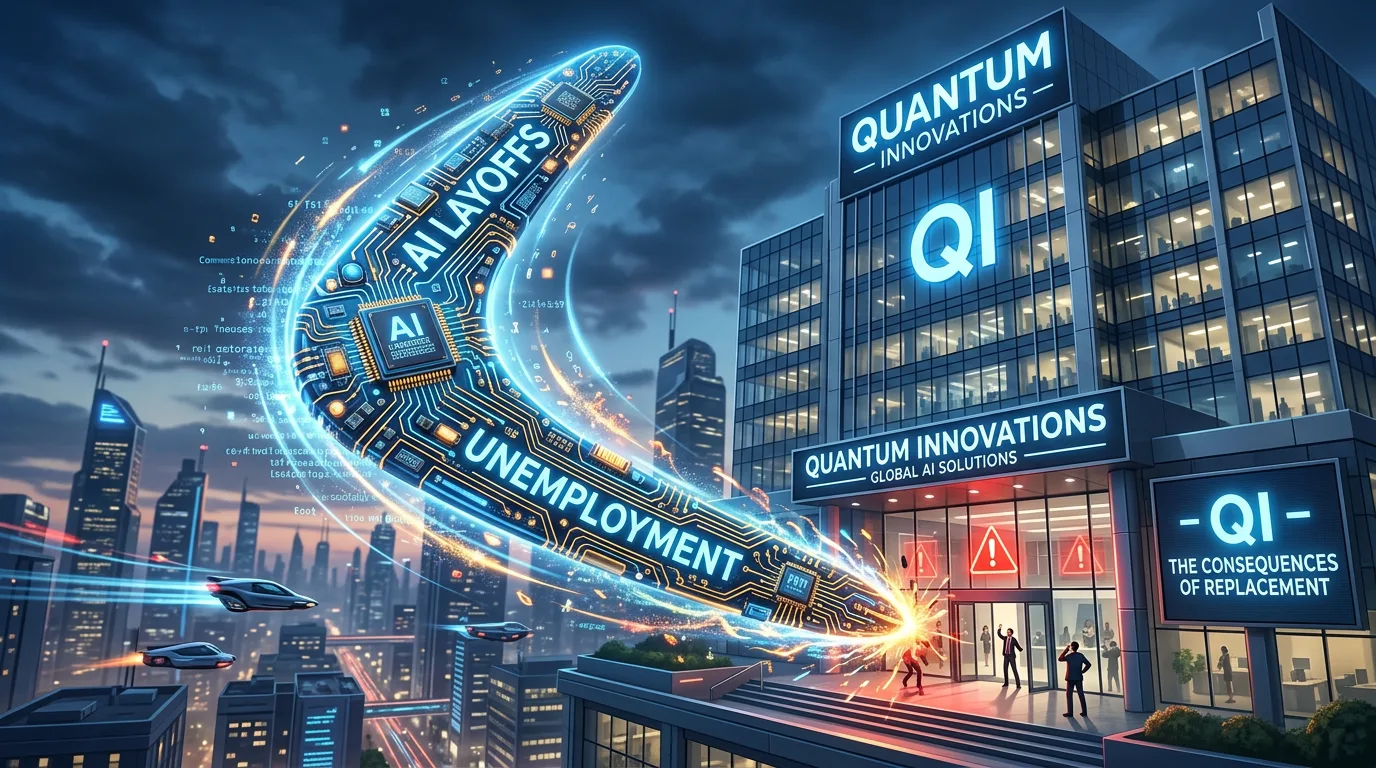
The expectation was that replacing employees with AI would cut costs and boost efficiency. Yet according to a Forrester survey, 55% of companies that carried out AI-based layoffs regret the decision. Through real cases at Klarna, IBM, McDonald's, and others, we analyze why the 'AI-First strategy' turned into a trap.
Klarna's AI adoption case — from "replacing 700 people" to "hiring humans again"
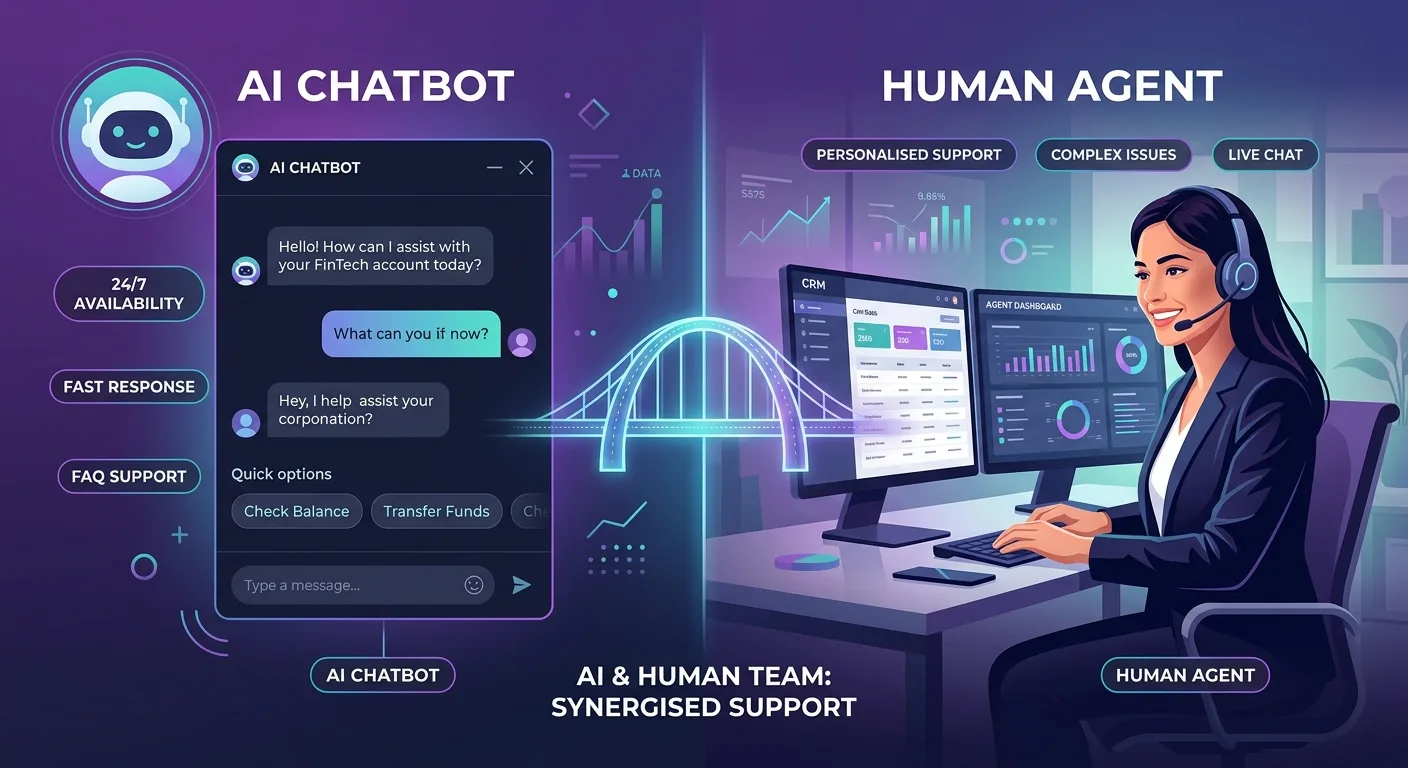
Fintech company Klarna declared that its AI chatbot had replaced the work of 700 customer service agents. Within a year, it admitted service quality had fallen and began rehiring human agents. From the results and limits of AI adoption to the pivot to a 'hybrid model', this is a case study with lessons every company should heed.