Reasoning models — why thinking AI costs more
Reasoning models generate hidden thinking tokens before answering, and those tokens are billed as output. We compare OpenAI/Anthropic docs and DeepSeek R1 to explain the price gap and how to tune costs.

Plain-language explanations of AI terms, written from a practitioner's point of view.
Reasoning models generate hidden thinking tokens before answering, and those tokens are billed as output. We compare OpenAI/Anthropic docs and DeepSeek R1 to explain the price gap and how to tune costs.
A vector DB converts text and images into numeric coordinates (embeddings) to quickly find semantically similar items. It’s core to RAG, but only makes sense after weighing scale, latency, and search goals.

Embeddings convert sentences into numeric coordinates to cluster similar meanings. They’re core to RAG search but don’t “understand” and generate answers like LLMs—crucial when debugging odd results.
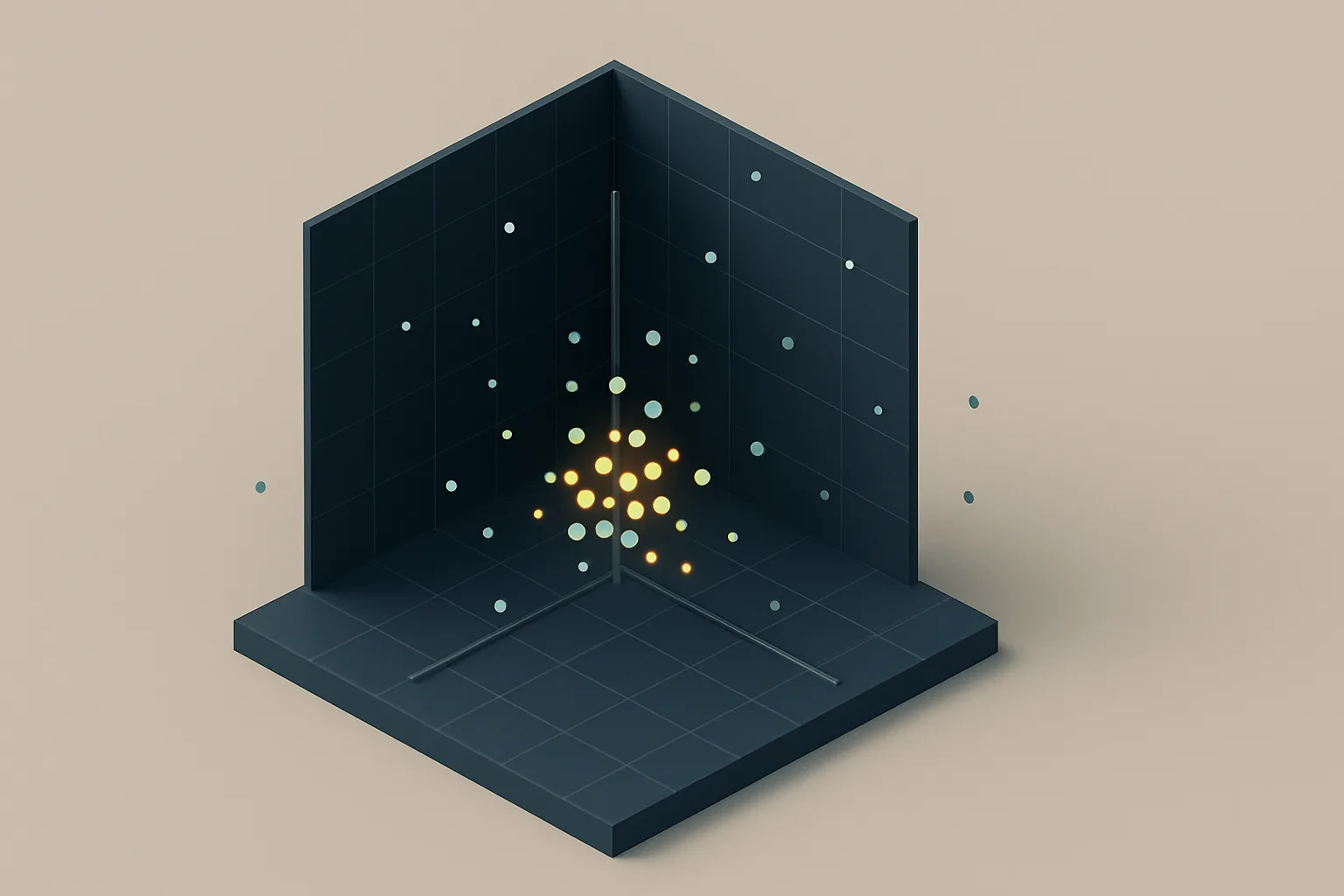
RAG retrieves relevant documents at query time and inserts them into the prompt instead of retraining the model. It’s often better than fine-tuning for fast-changing knowledge or citation needs, but it doesn’t eliminate hallucinations.
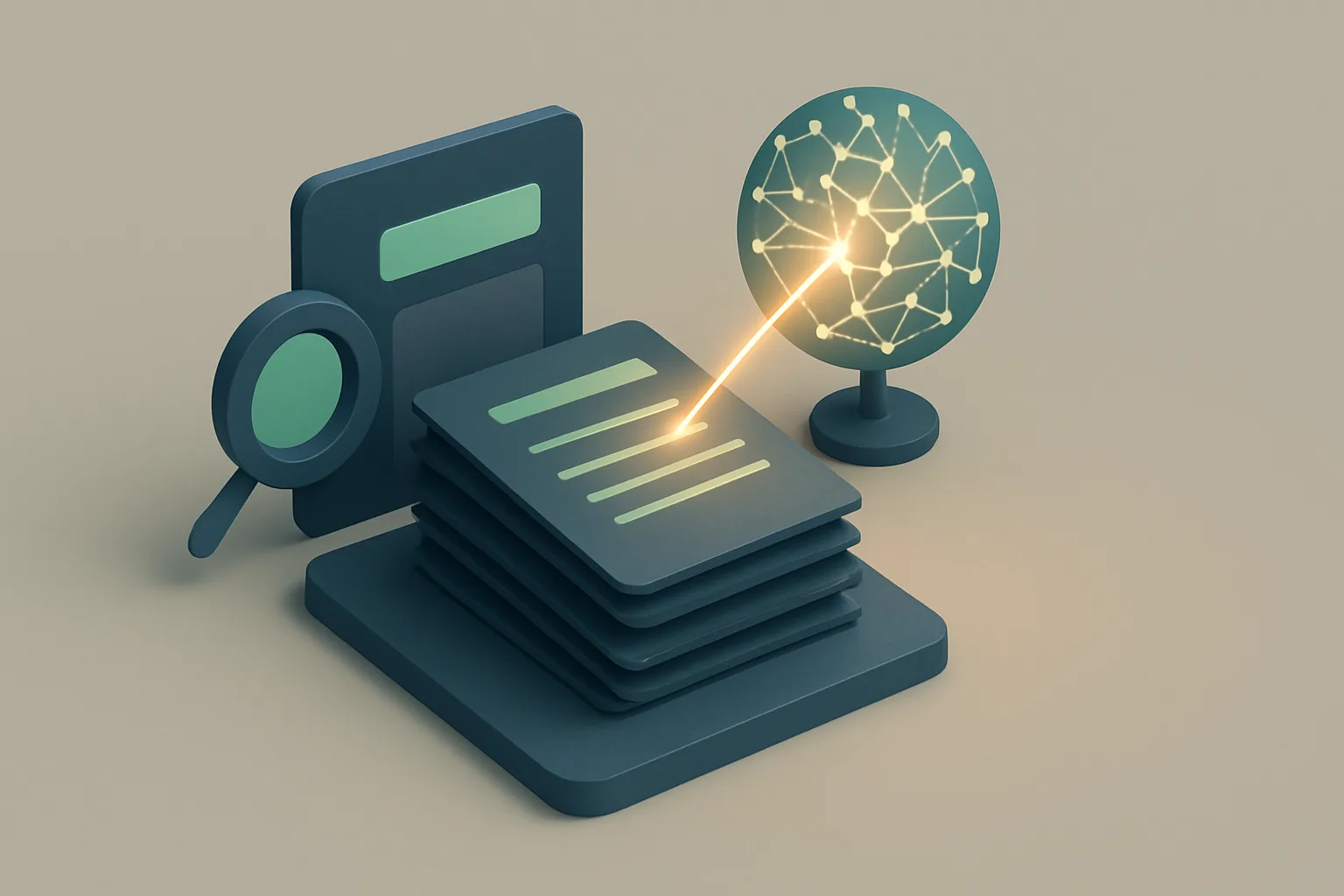
RAG retrieves relevant documents at query time and injects them into the prompt instead of retraining the model. It shines when knowledge changes often or citations are required, but it does not eliminate hallucinations.
If you mistake fine-tuning for "teaching AI your company’s entire knowledge," you’ll pay the cost and end up with a model that can’t reflect fresh info. Here’s how LoRA works and when to try RAG or prompt engineering first.
It feels like AI gets smarter the more you talk to it, but it does not actually learn anything new mid-conversation. This article lays out how training and inference differ, and why test-time compute became the AI industry's new buzzword in 2026, with data.
Connecting AI 'via API' does not mean bringing the model itself in-house; it means contacting someone else's server on every request to fetch an answer. This article lays out what to judge in practice, from token-based pricing and rate limits to API key security.

From GPT to Gemini to Claude, every major AI model in 2026 runs on the Transformer architecture Google published in 2017. This article covers how self-attention works and the line of variations from decoder-only models to MoE and Mamba hybrids.
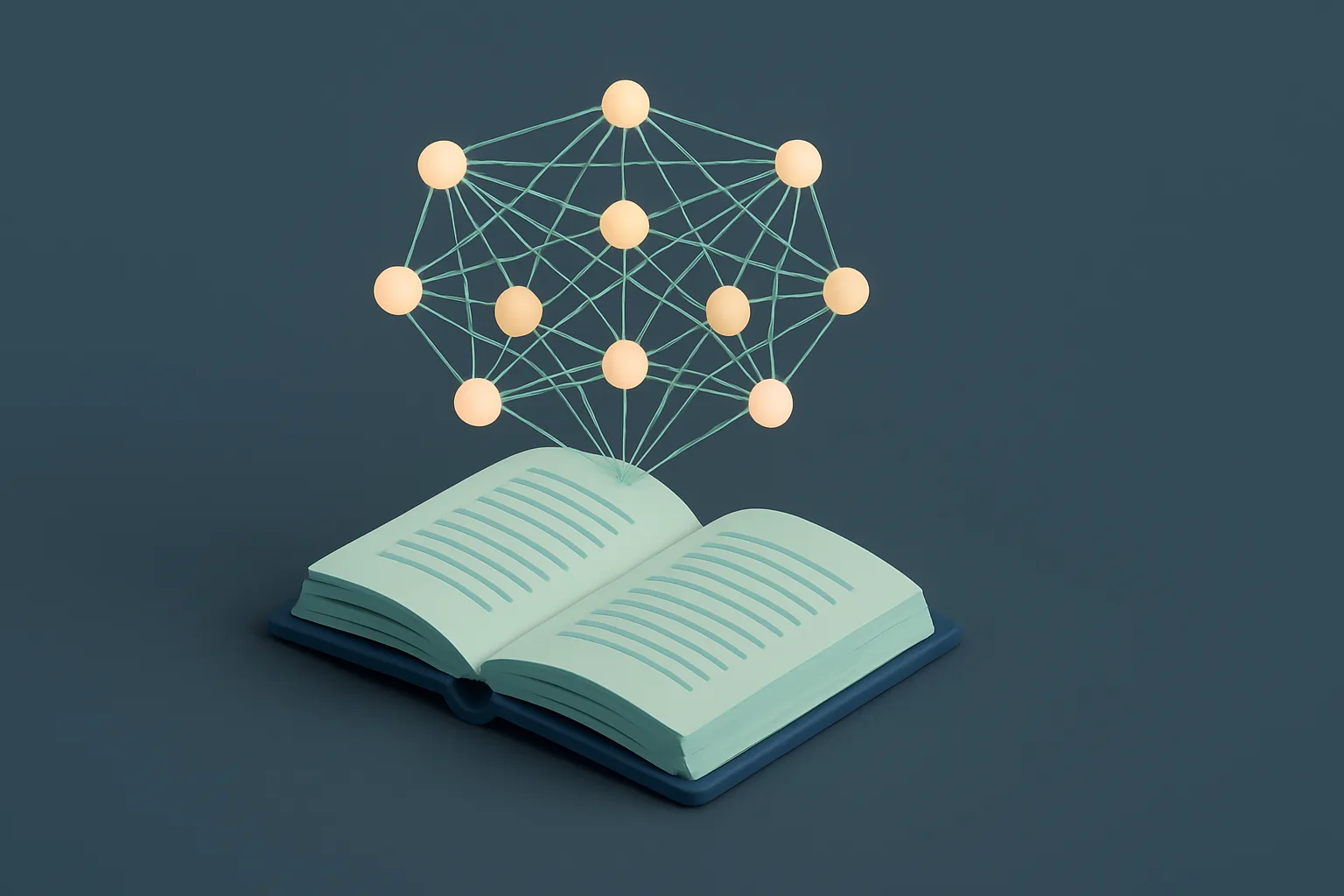
Attention is the mechanism by which AI understands long text not by remembering every word equally, but by concentrating on the few words it needs right now. This article explains why cost grows as context gets longer, and how optimizations like GQA and MLA affect real-world response speed and pricing.
What on-device AI, where a smartphone's or laptop's own chip handles AI computation without an internet connection, actually is, how it differs from cloud AI, and how practical it is, based on 2026 chipset specs and market data.

A number-one benchmark score may come from a model that saw the exam in advance, or from an exam unrelated to your work. Through the 2026 retirement of SWE-bench and the LM Arena controversy, here are six principles for reading scores.

Meta, Alibaba, and even OpenAI, once the symbol of the closed strategy, are giving away top-performing models for free. It is not charity. A 40-year-old Silicon Valley strategy, 'commoditize the complement and make money at the core', is working again in the AI era.
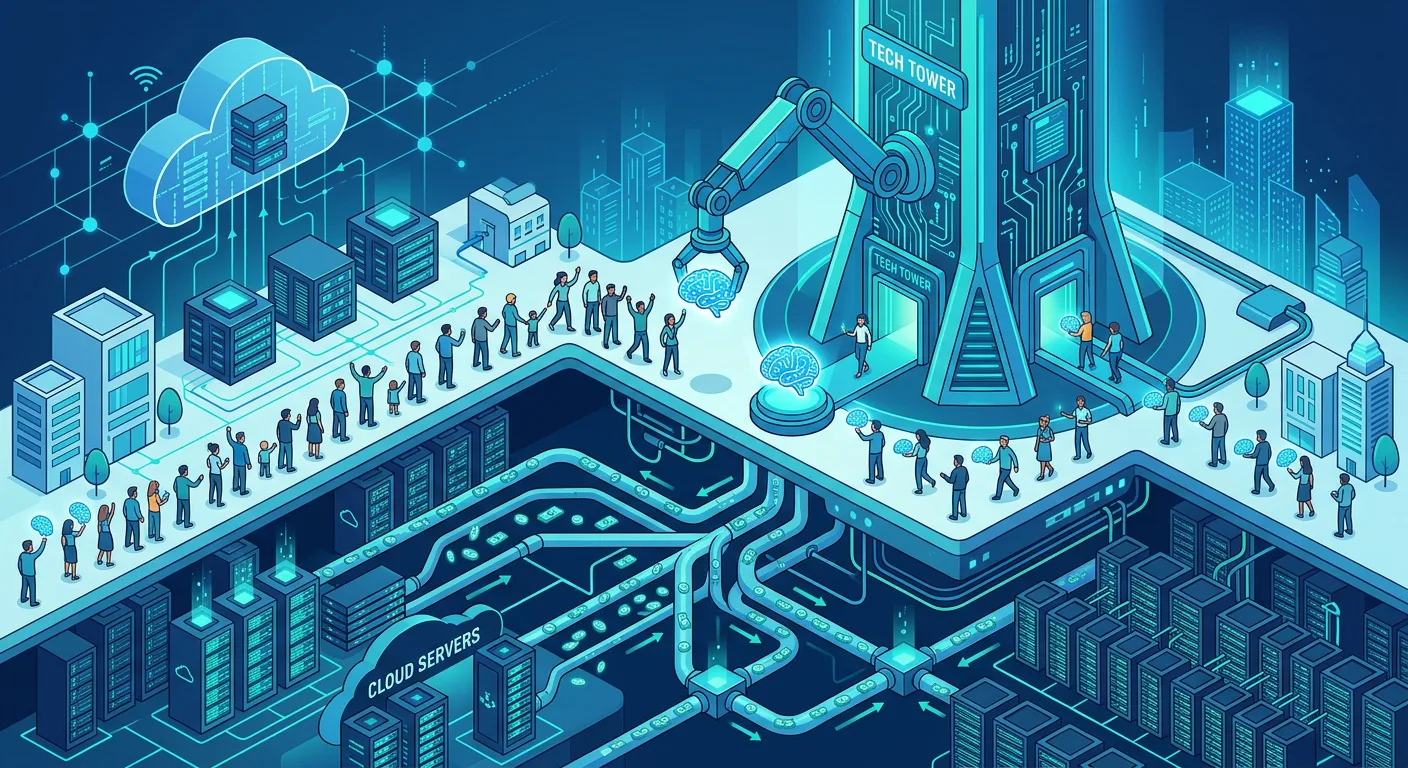
The B after a model's name is not a report card; it is closer to a hardware requirements sheet. Read this number as a performance ranking and your model choice is almost guaranteed to be wrong.
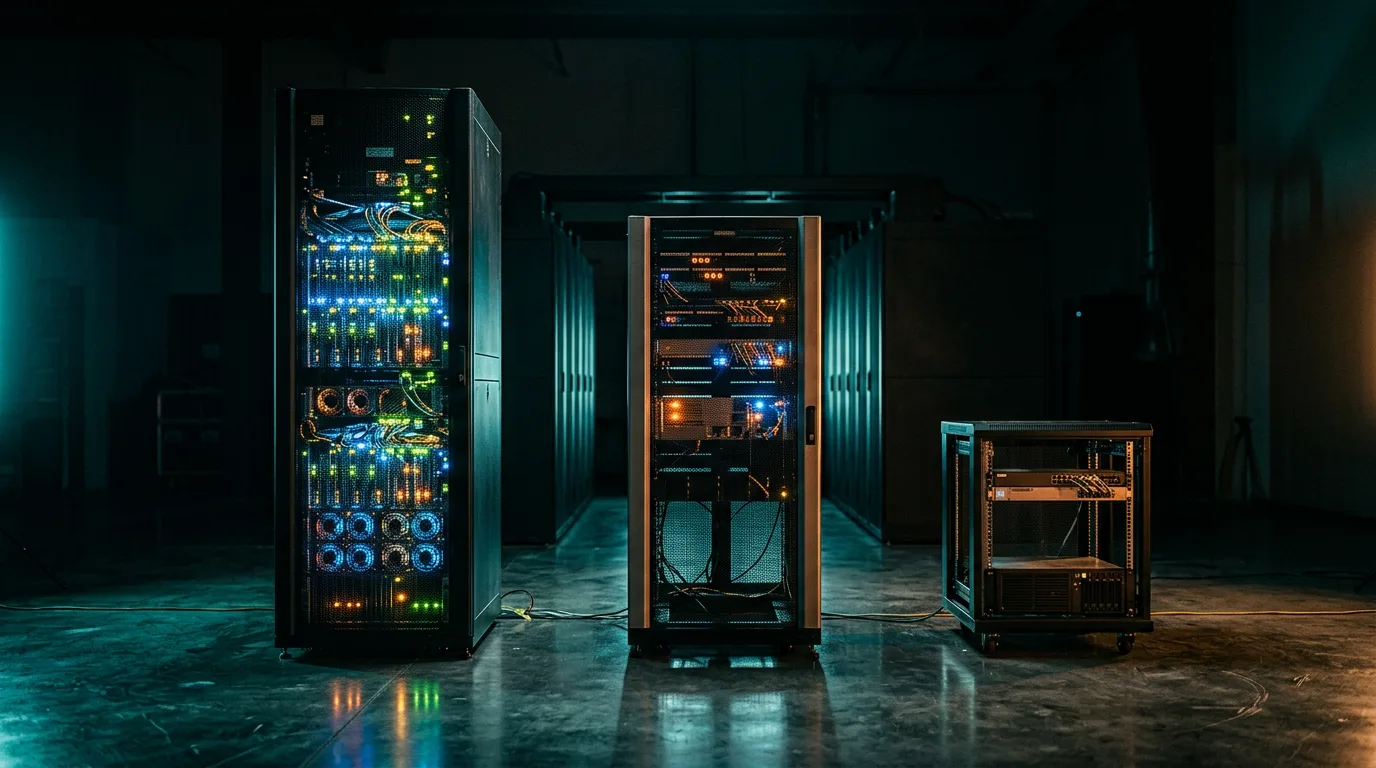
AI became able to "see" images not because it got better, but because the structure that handles input itself changed. And this change altered how we ask questions before it altered model scores.